Build Your Wishlist

The first step to securing funding is building a plan for your program. Let us help you get started.

// EV-601-TS_053322

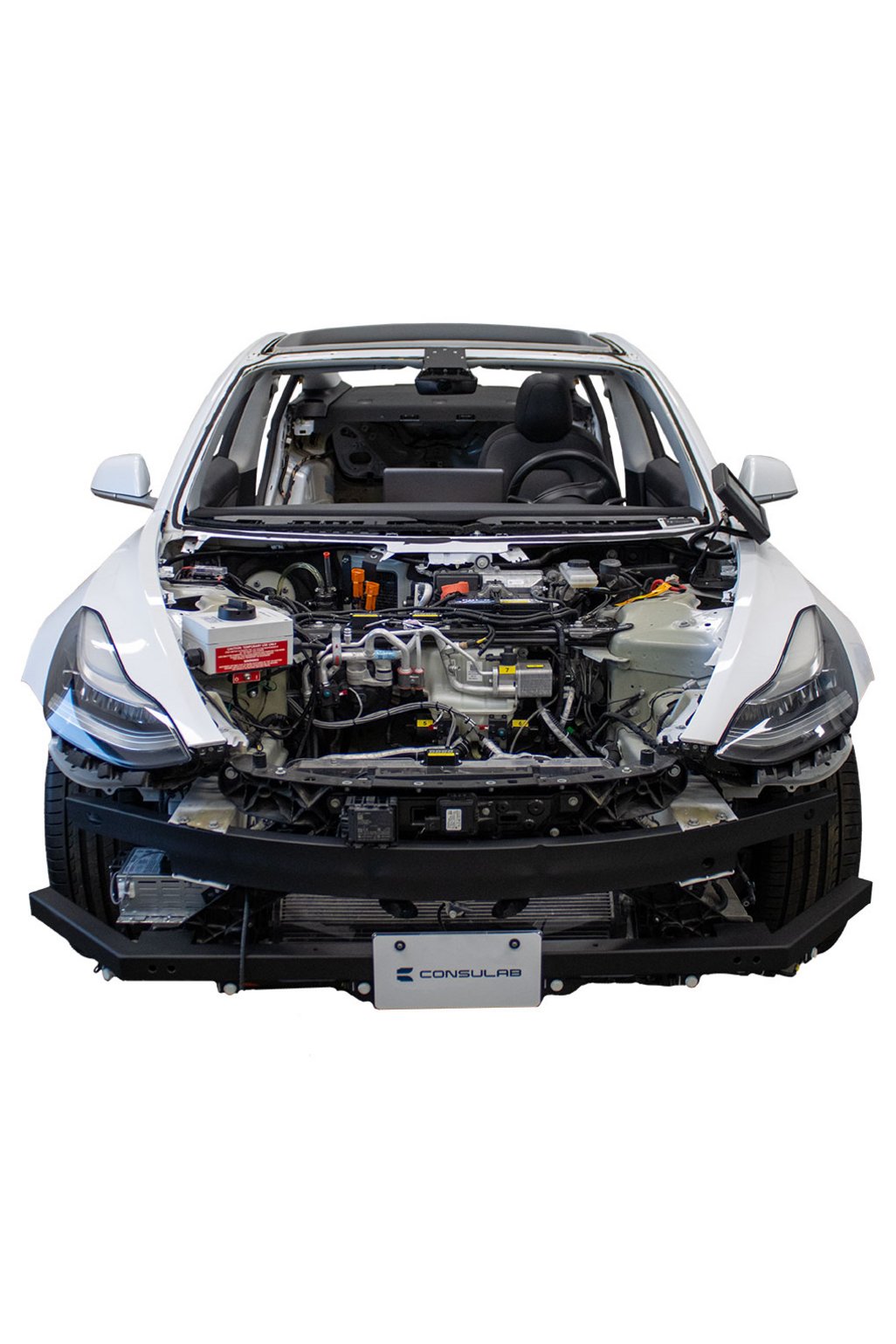
Tesla Model 3 Cutaway EV Training System

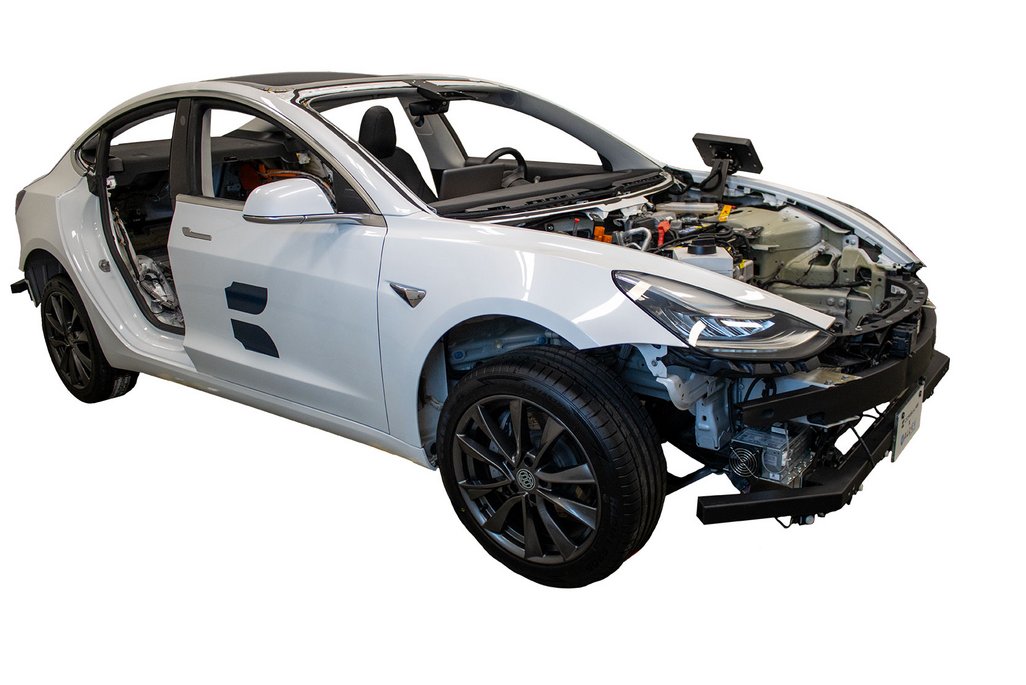
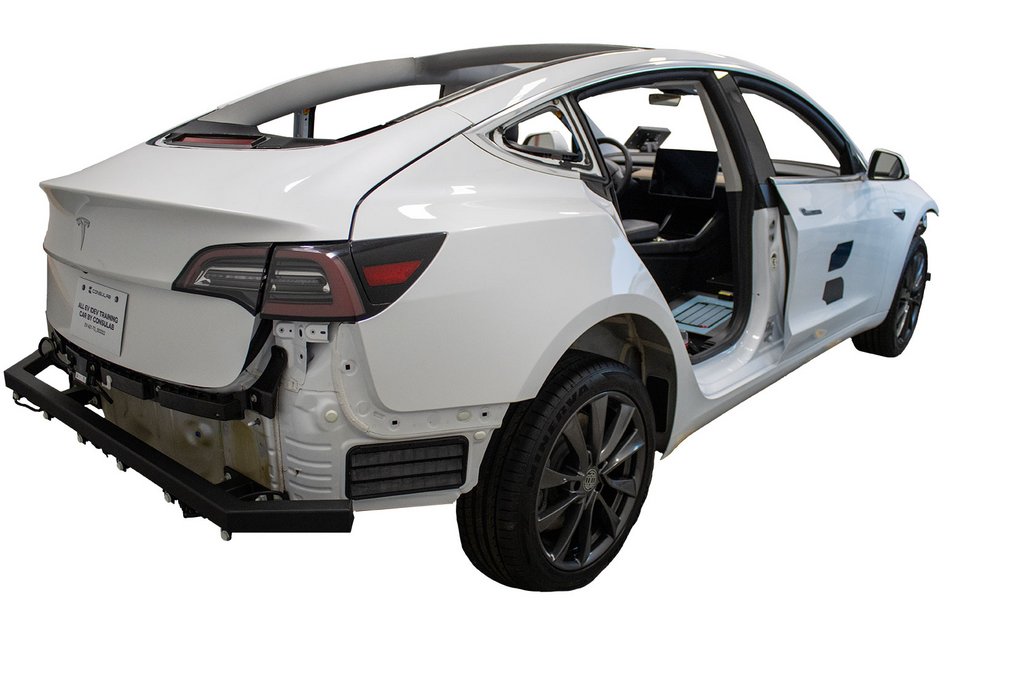
The EV-601-TS_053322 ALL EV iDEV training car by ConsuLab is not just a training aid, it’s an actual Tesla Model 3 training car visually displayed for maximum learning! All major components are identified in their actual location, most have been exposed (cutaway) in a way that is not possible on an operating vehicle, this helps attain a better understanding of their internal components and workings. And since the Model 3 represents over 60% of all EVs on the road today, this is a great place to start your students EV diagnostic journey.


Description

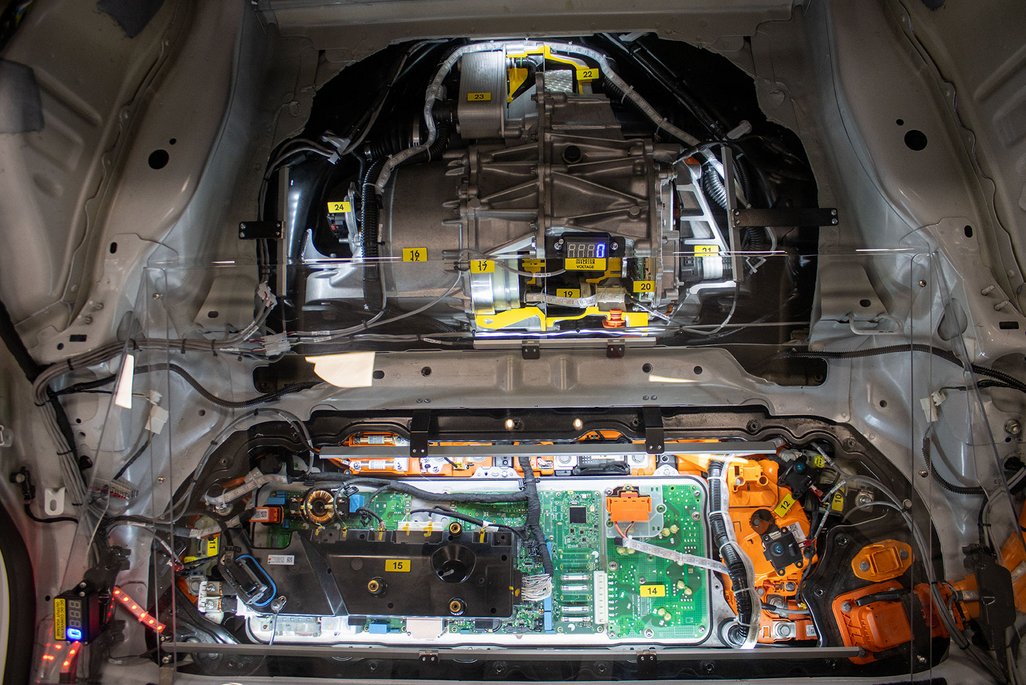
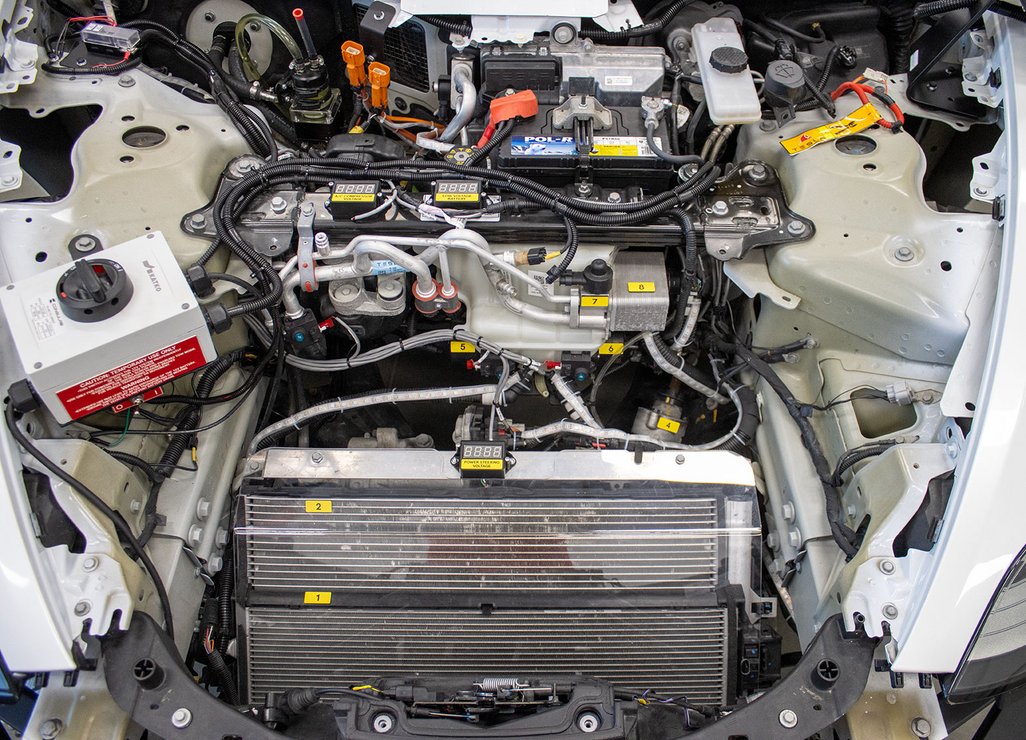
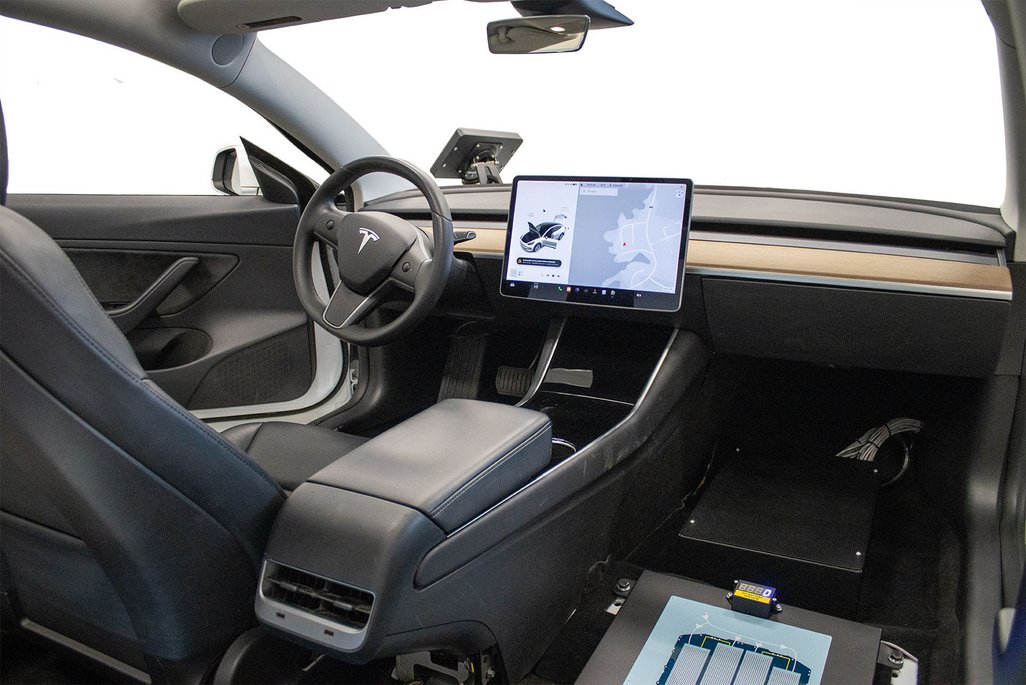
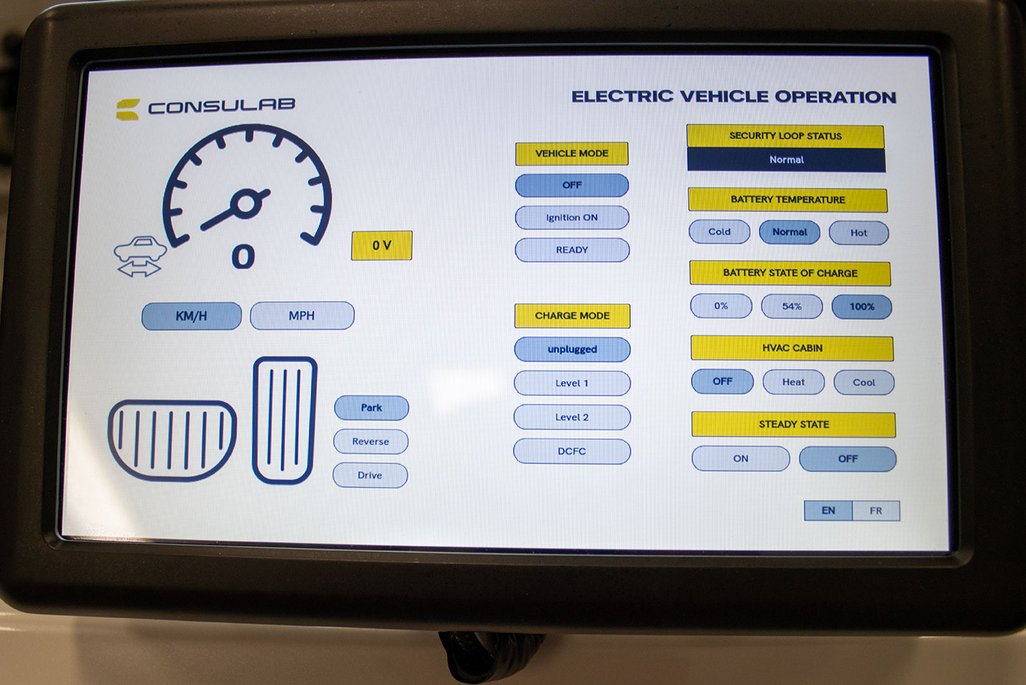
The Tesla Model 3 Cutaway EV Training System (EV-601-TS) is an actual Tesla Model 3 training car visually displayed for maximum learning in a completely safe environment. Students receive hands-on exploration of a complete electric vehicle with all major components identified in their actual locations. Most components have been cutaway in ways not possible on an operating vehicle to help attain a better understanding of their internal components and workings. Electrical and thermal energy are managed and displayed throughout the vehicle according to various real-life scenarios that can be created. Voltmeters and ammeters are located at several key components to illustrate the impact of each scenario on the electrical system. Paths of electrical energy and coolant flow are identified with LED strips that also indicate flow direction and voltage levels.


Industry-Driven Features

  • Consulab applies over 50 years of industry experience to create real-world training systems adapted from OEM components found in industry, ensuring safer and more effective learning tools for technical education. For more information, visit https://www.consulab.com/about/why-consulab.
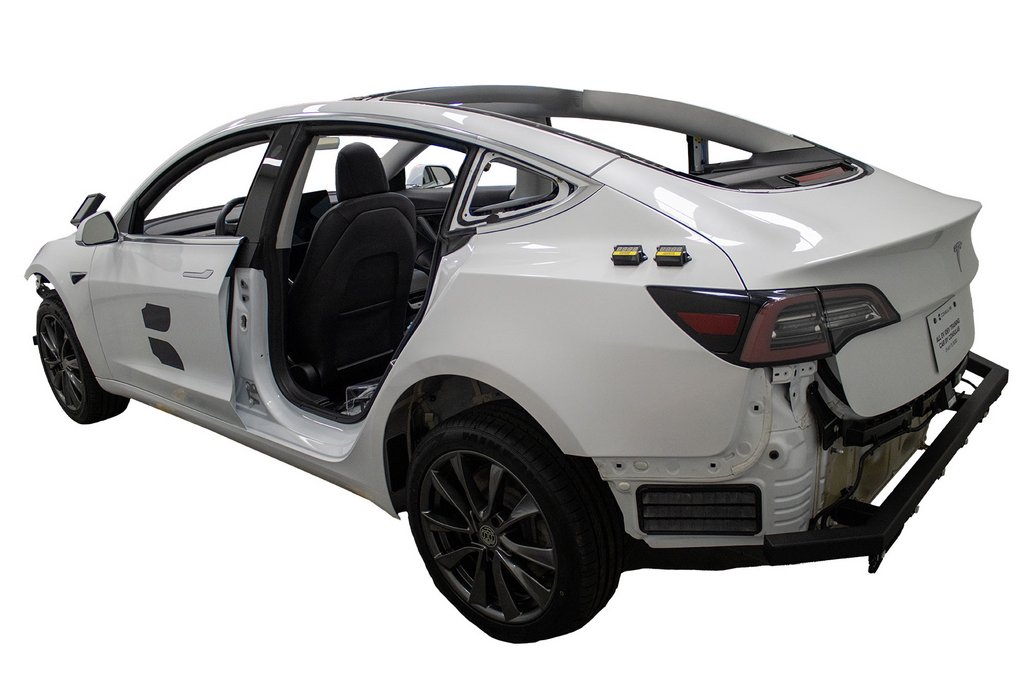
  • Actual Tesla Model 3 unibody with real OEM BEV components required by industry for electric vehicle training
  • Cutaway motor/inverter unit showing 3-phase power into the motor, cooling passages, rotor, stator and inverter found in industry EV systems
  • LED strips indicating paths of electrical energy and coolant flow with direction and voltage levels essential industry topics in modern BEV vehicles
  • Voltmeters and ammeters at key components for real-world monitoring found in industry service bays
  • Functional electric-assist power steering and functional electric park brake as used in industry EVs
  • Infotainment screen with full functionality replicating industry vehicle interfaces
  • CAN Bus communication for essential industry topics in vehicle networking and diagnostics
  • Capability for testing components with an insulation tester required by industry for EV safety awareness
  • Location of security loops for emergency response personnel – an industry-standard safety feature in EVs
  • Full diagnosis and repair procedures on CAN Bus and other systems for developing key industry skills

Included Courseware

  • Student assignments (124 pages):
    • SA-1 – Component #1: Locate and identify EV component aspects.
    • SA-2 – Component #2: Locate and identify EV component aspects.
    • SA-3 – Component #3: Locate and identify EV component aspects.
    • SA-4 – Component #4: Locate and identify EV component aspects.
    • SA-5 – Component #5: Locate and identify EV component aspects.
    • SA-6 – Component #6: Locate and identify EV component aspects.
    • SA-7 – Component #7: Locate and identify EV component aspects.
    • SA-8 – Component #8: Locate and identify EV component aspects.
    • SA-9 – Component #9: Locate and identify EV component aspects.
    • SA-10 – Component #10: Locate and identify EV component aspects.
    • SA-11 – Component #11 (HV contactor positive): Locate and identify EV component aspects.
    • SA-12 – Component #12: Locate and identify EV component aspects.
    • SA-13 – Component #13: Locate and identify EV component aspects.
    • SA-14 – Component #14: Locate and identify EV component aspects.
    • SA-15 – Component #15: Locate and identify EV component aspects.
    • SA-16 – Component #16: Locate and identify EV component aspects.
    • SA-17 – Component #17: Locate and identify EV component aspects.
    • SA-18 – Component #18: Locate and identify EV component aspects.
    • SA-19 – Component #19 (Cables for stator): Locate and identify EV component aspects.
    • SA-20 – Component #20: Locate and identify EV component aspects.
    • SA-21 – Component #21 (Inverter cooling): Locate and identify EV component aspects.
    • SA-22 – Component #22: Locate and identify EV component aspects.
    • SA-23 – Component #23 (Oil cooler): Locate and identify EV component aspects.
    • SA-24 – Component #24: Locate and identify EV component aspects.
    • SA-25 – Component #25: Locate and identify EV component aspects.
    • SA-26 – Quiz on Power Flow: Test understanding of EV power flow.
    • SA-27 – High Voltage Battery Specifications: Observe battery voltage in drive situations.
    • SA-28 – High Voltage Battery Modules: Examine battery module structure.
    • SA-29 – High Voltage Battery Configuration: Demonstrate battery chemistry impact.
    • SA-30 – Opening the Charge Port: Identify and follow charging port procedures.
    • SA-31 – Charging with Battery Temperature Hot: Monitor systems during hot DCFC charging.
    • SA-32 – Onboard Charger and How it Works: Understand AC-to-DC conversion process.
    • SA-33 – Touchscreen Drive Mode A: Demonstrate EV behavior in scenarios.
    • SA-34 – Touchscreen Drive Mode B: Demonstrate EV behavior in drive/reverse scenarios.
    • SA-35 – Watching the Power Drive to the Rear Drive Unit: Monitor DC-AC conversion and regeneration.
    • SA-36 – First Responder Loop Function: Demonstrate high voltage power-down procedure.
    • SA-37 – A/C Compressor Testing – Component Side for Loss of Isolation (LOI): Perform LOI test on A/C compressor.
    • SA-38 – PTC Heater Testing – Component Side for Loss of Isolation (LOI): Perform LOI test on PTC heater.
    • SA-39 – High Voltage Safety Fundamentals: Review EV high voltage safety procedures.
    • SA-40 – Identifying High Voltage Components and Circuits: Identify HV components and circuits.
  • Includes complete curriculum developed by our team with over 40 hours of student activities
  • Instructor manual
  • Operation manual
  • Student assignments

Safety Features

  • No DC high voltage present on this trainer
  • Penthouse cover removed/cutaway and protected by Plexiglas
  • Vehicle software secured from students but instructor accessible
  • Functional electric park brake
  • Location of security loops for emergency response personnel

Technical Specifications

  • Application: Tesla Model 3 unibody (Exterior color may vary)
  • Standard Tesla Model 3 unibody without the hood, rear doors, glass roof, windscreen, rear glass and high voltage battery cells
  • Contains headlights, taillights and all exterior lights plus battery case
  • Cutaways include rear floor above the motor/inverter unit, penthouse cover removed/cutaway and protected by Plexiglas, motor/inverter cutaways showing 3-phase power into the motor, cooling passages, rotor, stator and inverter
  • Dimensions: 83 W x 185 L x 57 H inch (210.82 W x 469.9 L x 144.78 H cm)
  • Weight: 3565 lbs (1617.1 kg)
  • Power supply: 120VAC / 1.6 A
L3-ASE-Tasks-Covered
L3-ASE-Tasks-Covered.pdf
A6-xEV-ASE-Tasks-Covered
A6-xEV-ASE-Tasks-Covered.pdf
A6-ASE-Tasks-Covered
A6-ASE-Tasks-Covered.pdf
Spec Sheet - EV-601-TS
EV-601-TS_spec-sheet_EN.pdf