Build Your Wishlist

The first step to securing funding is building a plan for your program. Let us help you get started.

// EM-2000-HB_053094

A/C Training System with H-Block (TXV)

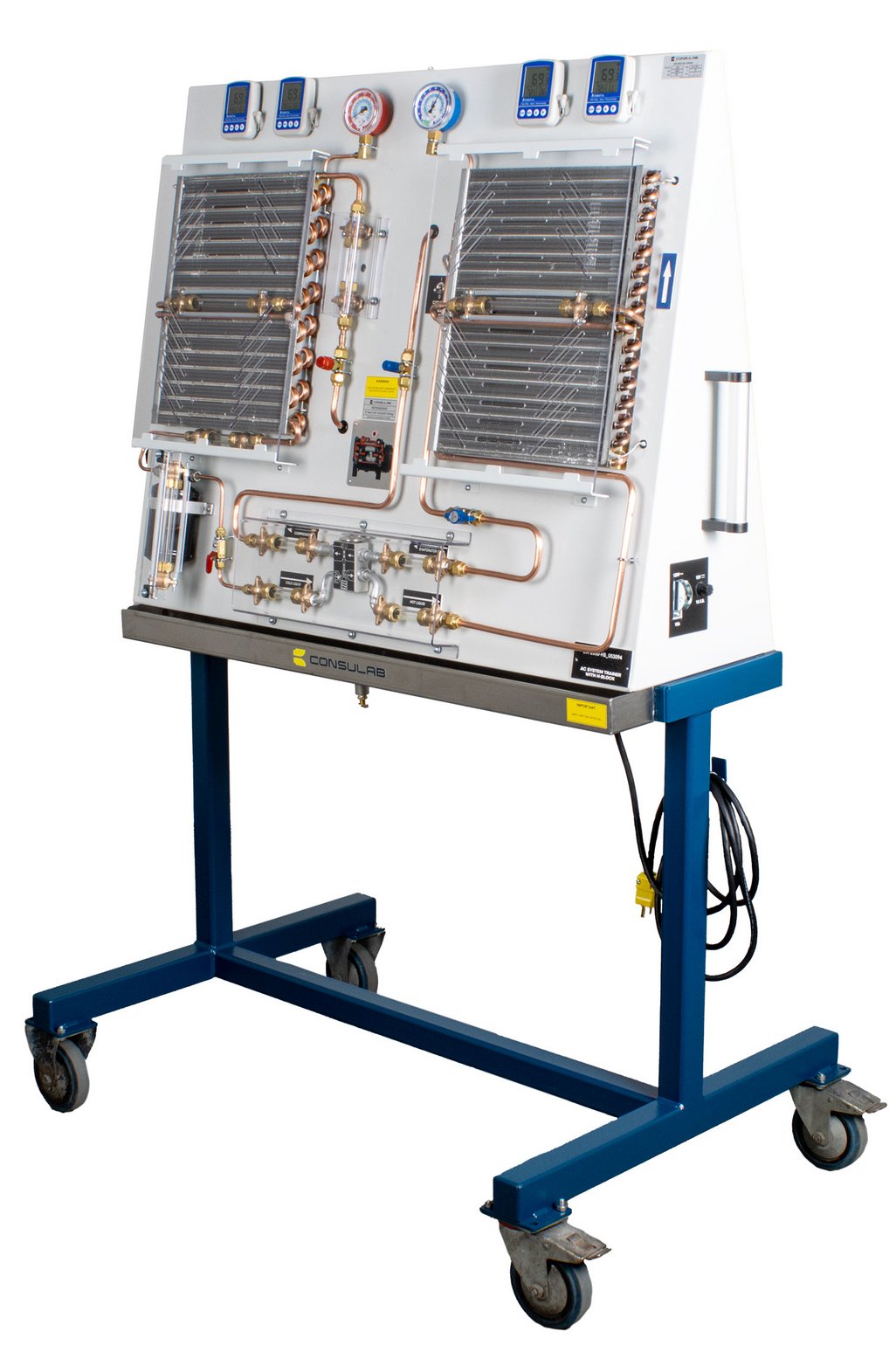
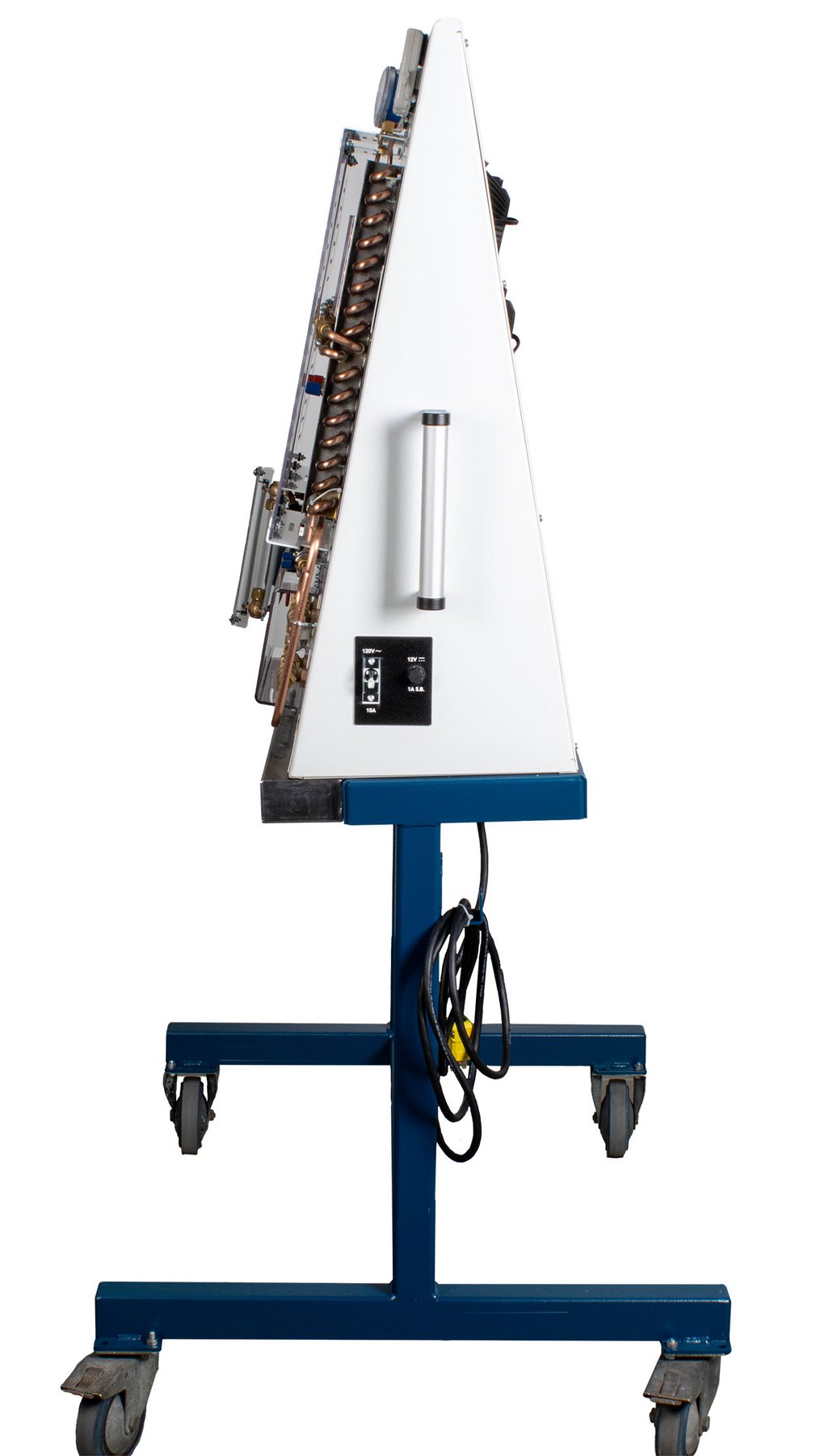
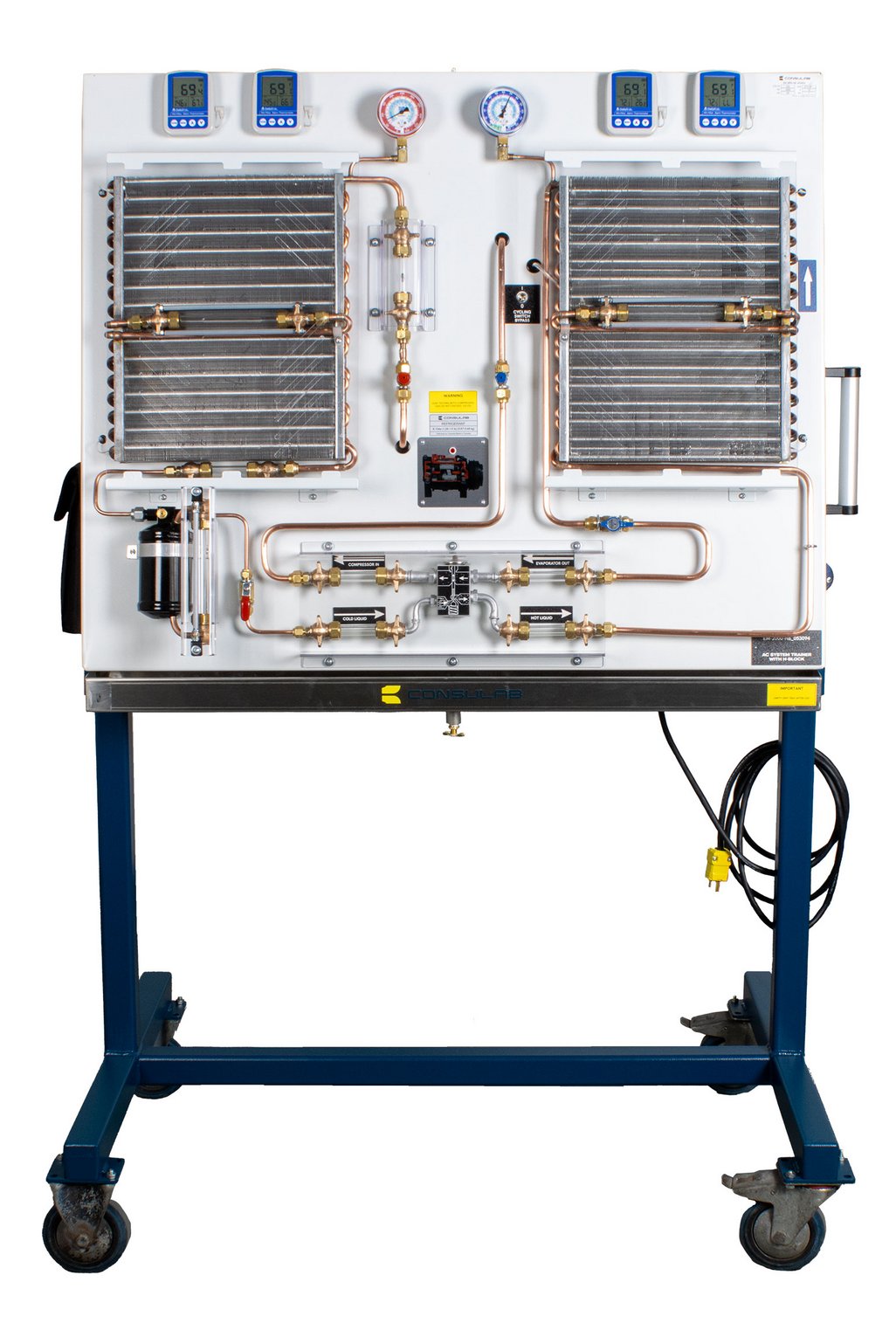
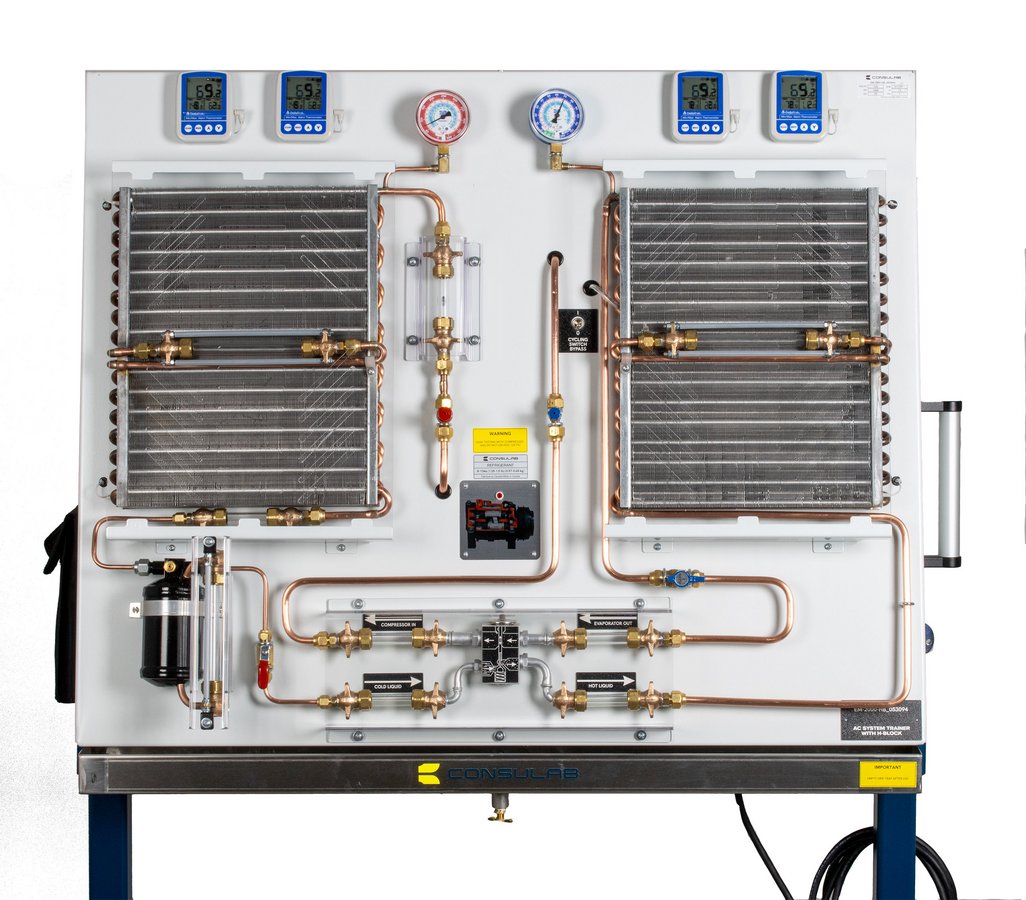
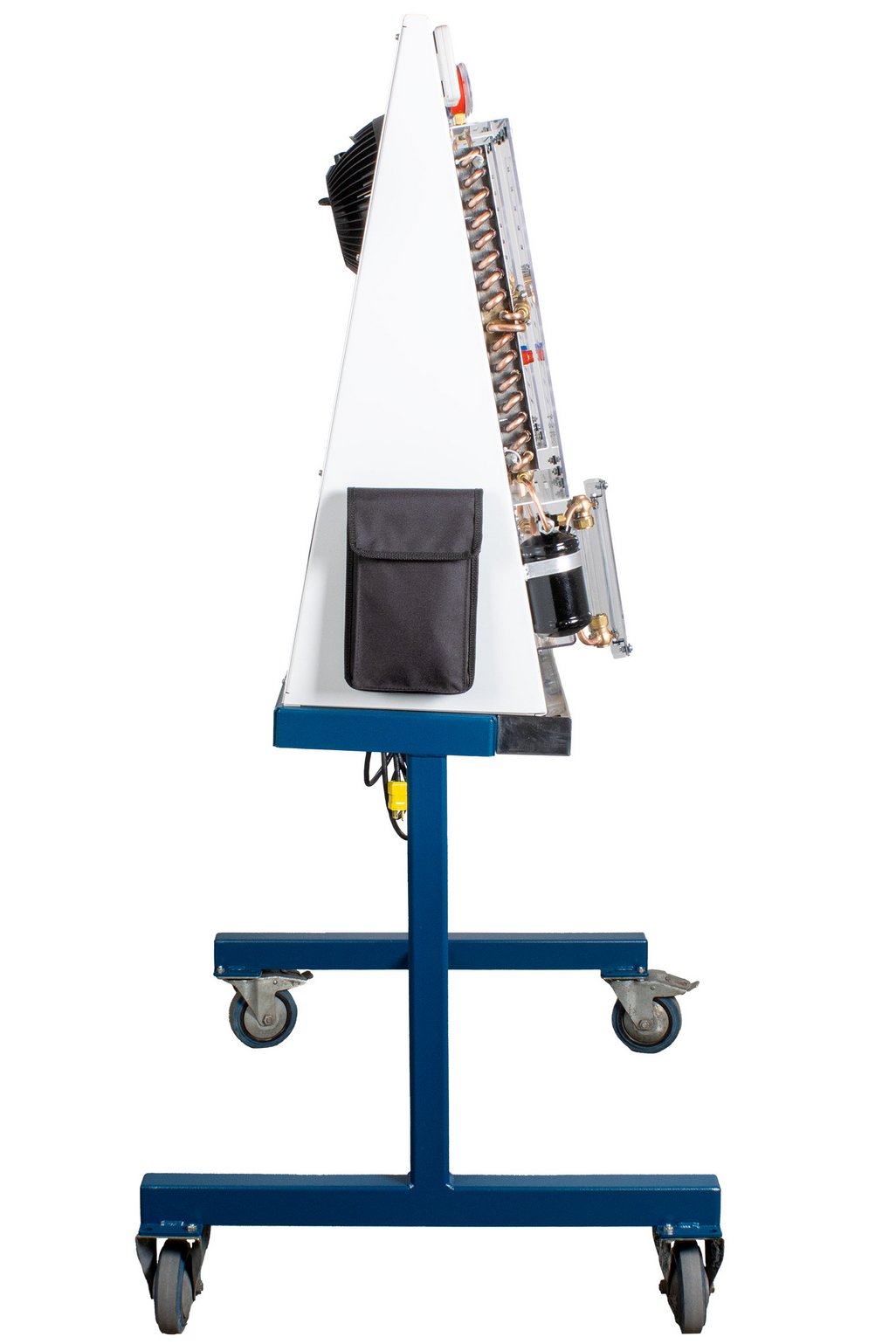
The A/C Training System with H-Block (TXV) is a fully operational automotive air conditioning trainer using an H-Block TXV for refrigerant flow control, built with common OEM components to teach A/C physics, refrigeration cycle, and system operation in classroom or shop settings. It features clear sight glasses for observing refrigerant state changes, pressure/temperature gauges and displays, adjustable fans and switches to simulate performance issues, and service ports for R134a recovery, enabling hands-on learning of component functions and diagnostics. This versatile system supports practical skill-building in troubleshooting restrictions, blockages, and abnormal conditions through safe, controlled simulations.

  • Troubleshooting: High/low side ball valves, cycling switch bypass, and adjustable controls introduce system restrictions/blockages and simulate faults for pressure/temperature diagnostics and performance analysis without disassembly.
  • Courseware: Includes operation manual, instructor’s guide, student assignments, and answer key in PDF for structured exercises on A/C principles, component observation, and troubleshooting.

Description

The A/C Training System with H-Block (TXV) (EM-2000-HB_053094) is a complete air conditioning system trainer designed to enhance the instruction of air conditioning physics. This trainer utilizes the H-Block TXV design for refrigerant flow control and incorporates common automotive components, making it suitable for both classroom and shop environments. It features a hermetically sealed and internally protected compressor and operates on a 120V 15A 60Hz circuit. Students can observe refrigerant state changes through clear sight glasses at the receiver/drier, evaporator, and condenser, while connecting the trainer to any A/C recycling/recovery equipment via R134a service ports. The system allows visual inspection of the H-Block (TXV) and receiver/drier operations, provides pressure and temperature measurements for the evaporator and condenser, and enables the introduction of system restrictions and blockages for diagnostic learning. Adjustable fan speeds demonstrate typical performance issues, and removable magnetic labels aid in component identification and refrigerant flow understanding. Equipped with safety switches and protections, the trainer supports hands-on exploration of abnormal symptoms through adjustable cycling switches and ball valves.

Industry-Driven Features

  • Trainer has all major components required for an automotive air conditioning system using the H-Block TXV system
  • Fully operational with typical component layout and organization found in industry
  • Clear sight glasses provide clear understanding of the H-Block (TXV) air conditioning refrigeration cycle essential for industry-standard training
  • Allows student observation of refrigerant changes of state (liquid/vapor) at the receiver/drier, evaporator and condenser to develop key industry skills
  • Trainer can be connected to any A/C Recycling/Recovery equipment using R134a service ports required by industry
  • Allows visual inspection of the role and operation of the H-Block (TXV) and receiver/drier
  • Provides pressure and temperature measurement displays of evaporator and condenser for real-world diagnostics
  • Allows the introduction of system restrictions and blockages for diagnostic learning on essential real-world scenarios
  • Adjustable fan speeds for demonstrations of typical performance problems for evaporator and condenser found in industry
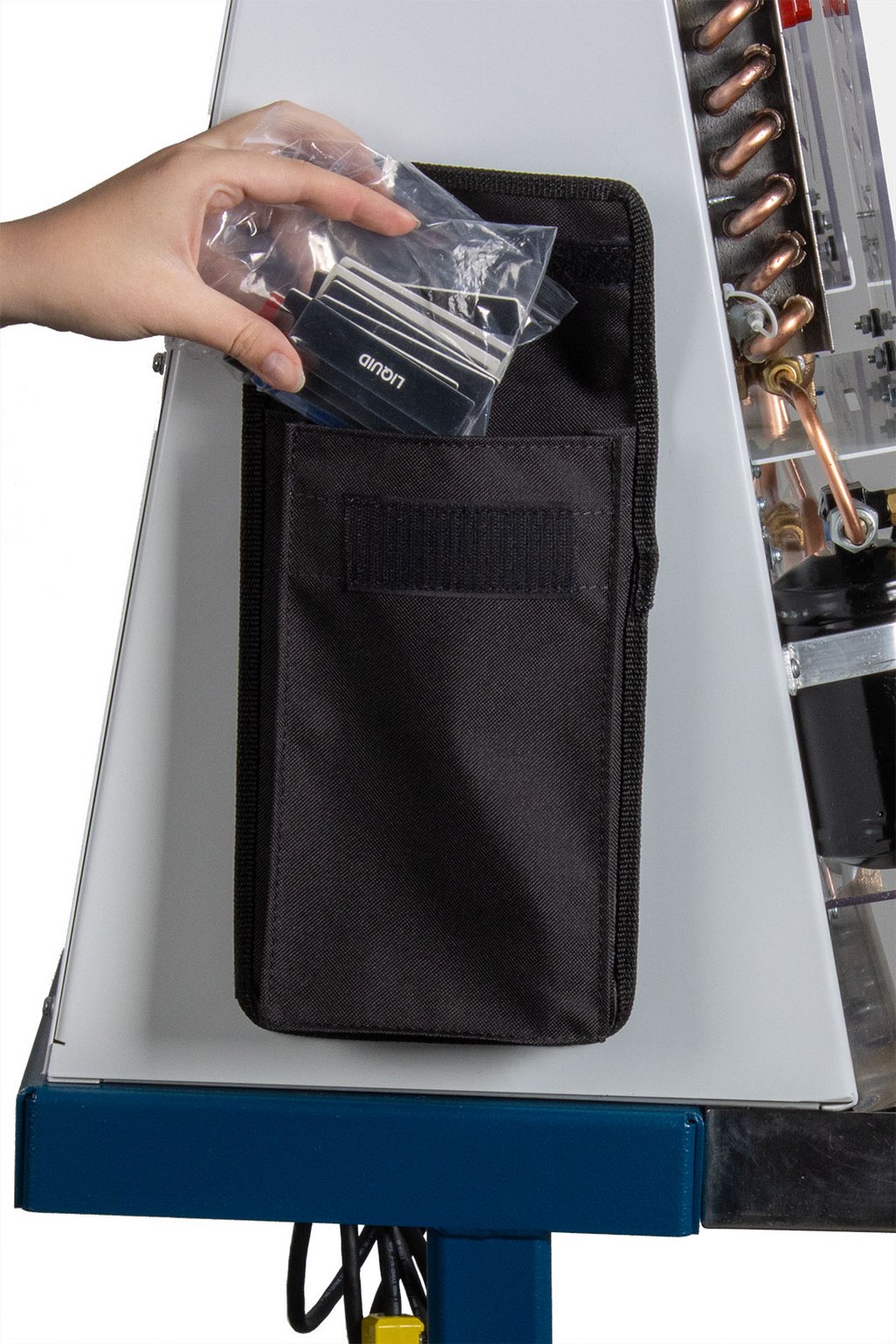
  • Removable magnetic component identification labels and refrigerant flow arrows for student learning
  • High and low side ball valves can be adjusted to demonstrate various system restrictions resulting in abnormal operation
  • Trainers condenser, evaporator and compressor cycling switches can be adjusted to demonstrate various abnormal symptoms
  • OEM R134a service ports
  • High and Low side A/C pressure gauges
  • Adjustable temperature control switch for evaporator temperature levels

Included Courseware

  • Operation manual
  • Instructors guide
  • Student assignments
  • Answer key

Safety Features

  • Equipped with high pressure cut-out switch, evaporator deicing switch and internal compressor protection
  • High pressure (300psi) safety switch shuts off compressor
  • Internally protected hermetically sealed A/C compressor
  • A/C compressor has manual starter with internal thermal protection
  • Cycling switch bypass toggle switch

Technical Specifications

  • Operates on 120V 15A 60Hz circuit
  • Refrigerant : R134a (20 oz) (568 g)
  • Refrigerant Oil : Ester 100 ISO, viscosity at 100
  • Dimensions : 30 x 43.5 x 66.75 inch (76.2 x 110.5 x 170 cm) 48 x 40 x 68 inch (121.9 x 76.2 x 172.7 cm) with packaging
  • Weight : 222 lb (100.7 kg) / 310 lbs (140.6 kg) with packaging
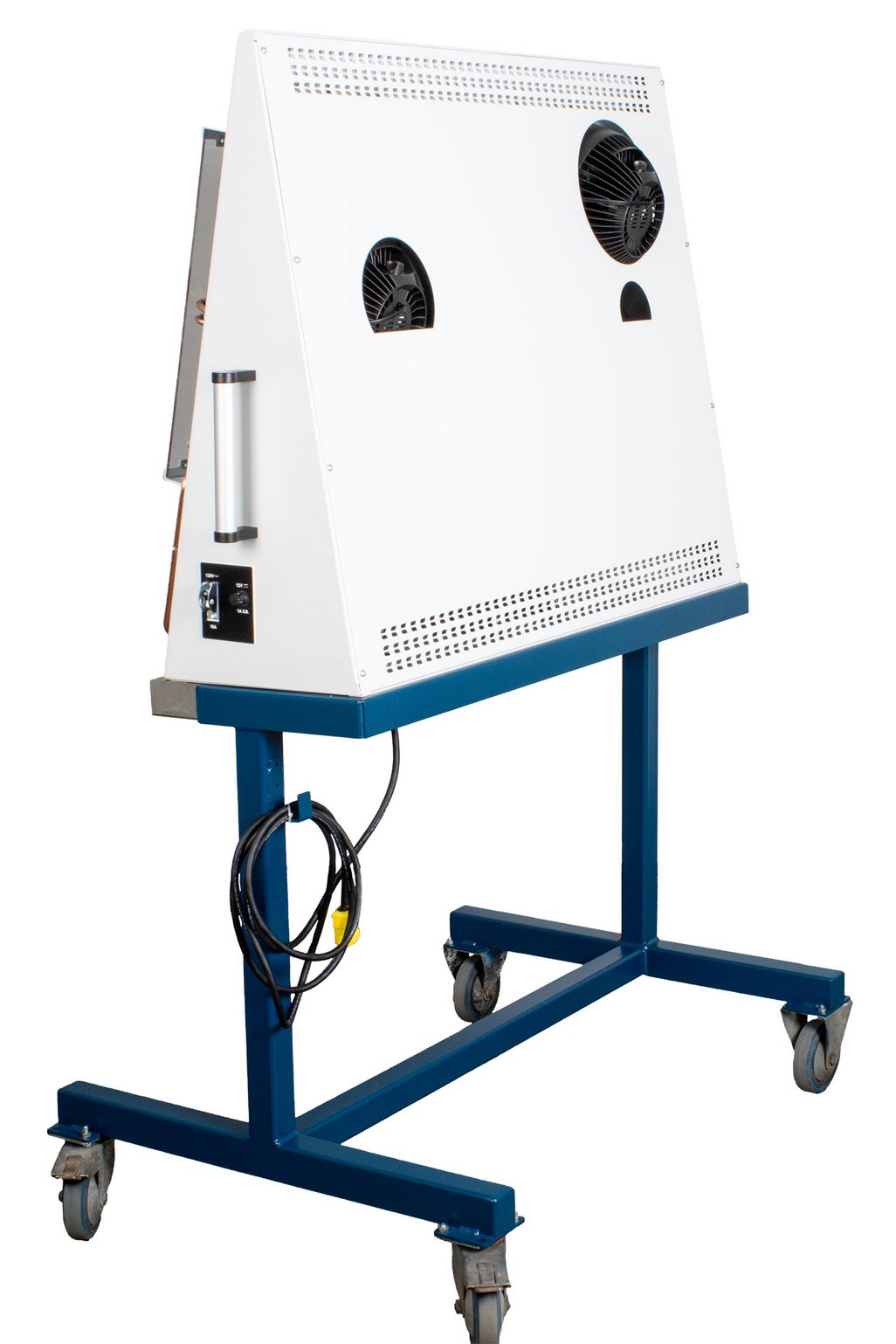
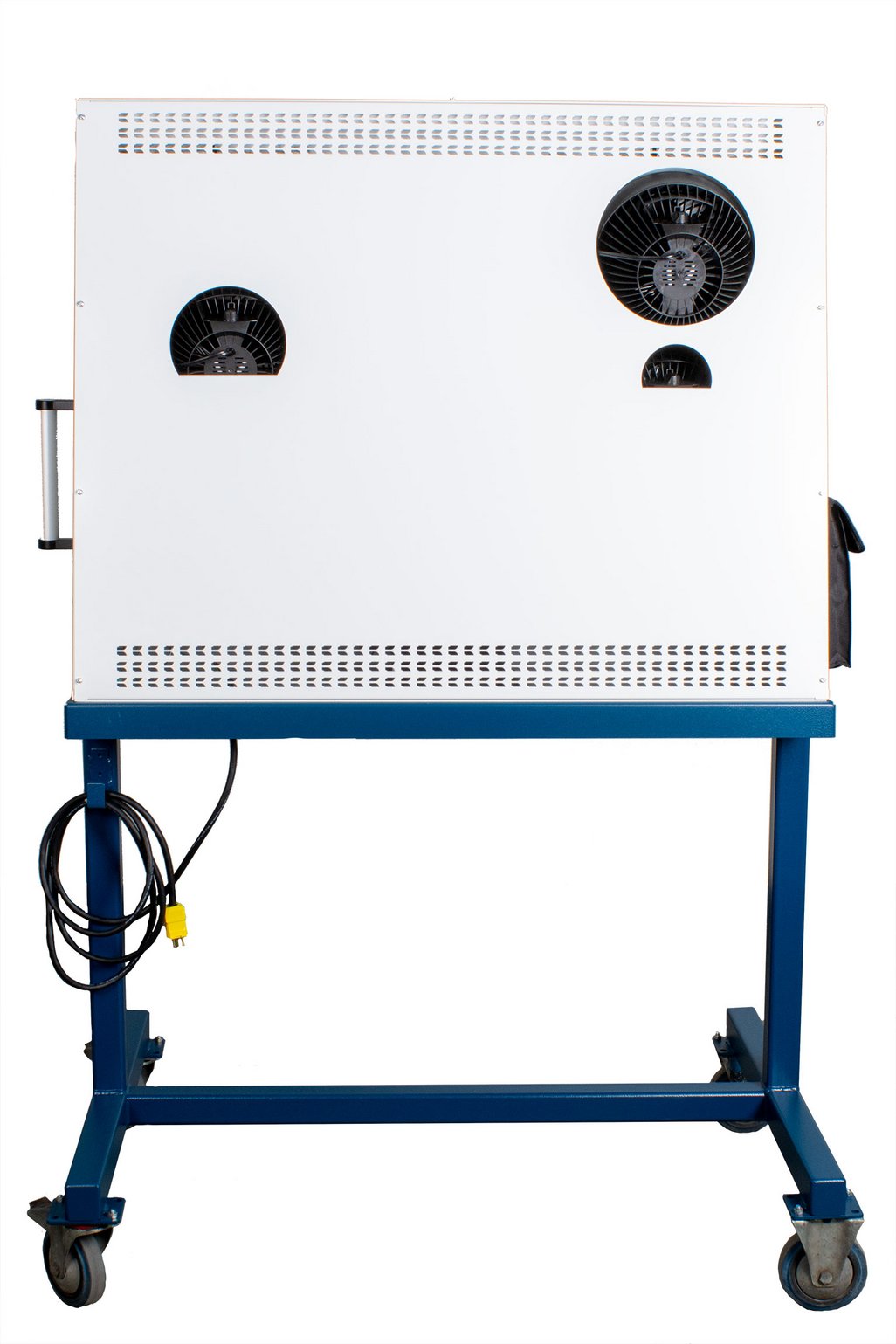
  • Adjustable 3-speed evaporator (1) and condenser (2) fans
  • Digital thermometers (4) at inlet and outlet of evaporator and condenser
  • Stainless steel condensate drip pan with drain
  • Power “ON” indicator light
  • Removable magnetic component name and refrigerant flow arrow labels
  • Sturdy powder coated metal stand with two locking swivel and two fixed casters

Consulab applies its over 50 years of experience in the automotive industry to create training systems by adapting OEM components from current industry practices for educational use, making them safer and more visible while incorporating fault insertion where possible. This approach drives hands-on education that enhances troubleshooting skills, increases confidence and learning speed, and correlates training with real-world industry realities for safe, effective preparation of students from secondary to university levels. For more info: https://www.consulab.com/about/why-consulab

T7-ASE-Tasks-Covered
T7-ASE-Tasks-Covered.pdf
A7-ASE-Tasks-Covered
A7-ASE-Tasks-Covered.pdf
Spec Sheet - EM-2000-HB
EM-2000-HB_specsheet_EN_V2025.pdf